10 Tips for Buying the Best Portable Car Refrigerator

Time:2026-10-05 Author:Madeline
0%

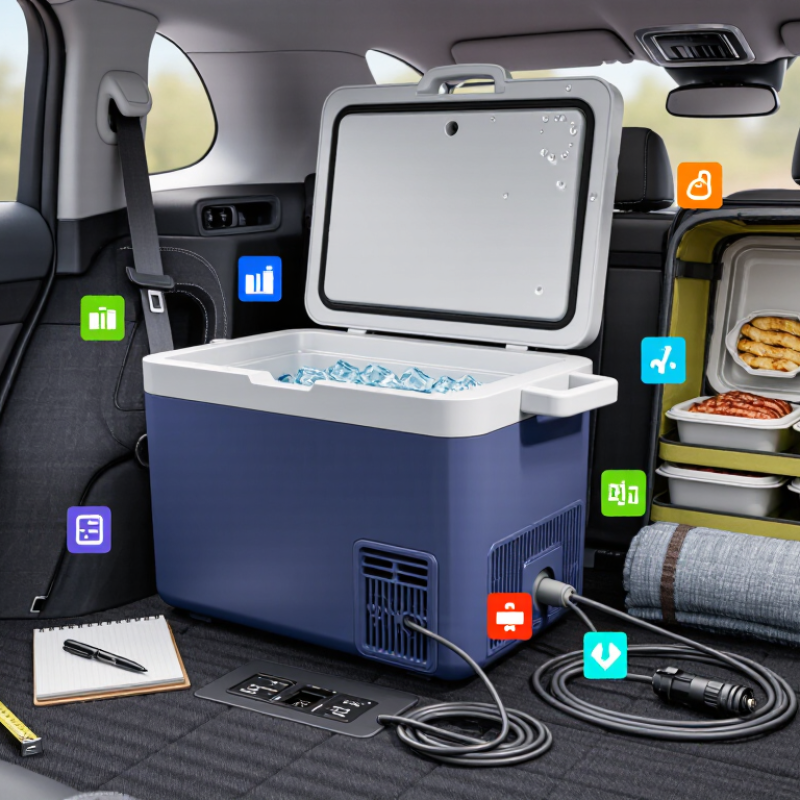
Buying a Portable Car Refrigerator can make a long drive easier, but the wrong model may become an expensive box. A reliable choice must match your vehicle, travel habits, and food-storage needs. Before comparing brands, consider where the unit will sit. Measure the space behind your seat, beside the trunk, or under a camping table. A few centimeters can decide whether the lid opens properly.

Robert J. Dossat, a respected refrigeration author, explained, “Refrigeration is the process of maintaining a space at a temperature lower than its surroundings.” That principle matters on hot roads. A good Portable Car Refrigerator should cool consistently, protect food from temperature swings, and use power efficiently. Check its internal volume, compressor design, insulation, temperature range, battery protection, and noise level. A 12-volt plug is useful, but cable length matters too. So does a stable power source.

Real experience exposes details that product pages often miss. A cooler may perform well in a shaded driveway, then struggle inside a sun-heated vehicle. That mistake is common. It happened to many buyers, perhaps because specifications look more convincing than daily conditions. Look for clear warranty terms, replacement support, durable hinges, and honest customer reviews. Do not choose the largest model automatically. Extra space can mean extra weight, higher energy use, and awkward loading. These ten practical tips will help you compare capacity, cooling performance, portability, power demands, construction, and long-term reliability with fewer regrets.
10 Tips for Buying the Best Portable Car Refrigerator

Understanding Portable Car Refrigerator Types and Cooling Systems

Choosing the right portable car refrigerator starts with understanding its cooling system.

Compressor models cool fastest and can reach freezing temperatures, even in hot weather. They suit long trips, fresh meat, and frozen food.

Thermoelectric models are lighter and usually less expensive. However, they often cool only below the surrounding temperature. They may struggle inside a warm vehicle.

Absorption units operate quietly and can use multiple power sources, but they cool slowly and need careful leveling.

I learned this through a summer road trip. My small thermoelectric cooler kept drinks pleasant, but it could not protect ice cream. I had expected too much from it. A compressor unit would have been better.

Check the stated temperature range, internal capacity, ventilation space, and power draw. A refrigerator with poor airflow may consume more energy and cool unevenly. Measure your vehicle’s storage area before buying. Small mistakes matter.

Tips:

Match the system to your journey.

Choose compressor cooling for dependable freezing.

Choose thermoelectric cooling for short trips and mild conditions.

Consider an absorption model when quiet operation matters.

Test the unit at home before traveling.

Place a thermometer inside.

Keep the lid closed.

Leave space around the vents.

A dual-zone design can separate chilled drinks from frozen food, but it usually weighs more and uses additional power.

A larger compartment is not always better.

Efficiency can be overlooked.

Assessing Capacity, Temperature Range, and Energy Efficiency

Tip 1: Match capacity to your real travel habits, not your ideal shopping list. A compact refrigerator suits daily drinks and lunch containers. Longer trips need space for meals, ice packs, and upright bottles. Measure your vehicle’s storage area before buying. I once ignored wheel-arch space and lost useful capacity. That mistake was avoidable.

Tip 2: Check the full temperature range, including the lowest stable setting. A refrigerator that reaches freezing temperatures can protect meat and dairy during extended journeys. However, the displayed temperature may differ from the internal temperature. Place a small thermometer near the food, especially during hot weather. Test it overnight before trusting it on a long trip. Small details matter.

Tip 3: Examine energy efficiency through actual power consumption, not attractive claims alone. Review the rated watts, compressor cycling, battery protection, and insulation quality. A well-insulated unit may use less energy after reaching its target temperature. Keep it shaded, leave ventilation space, and pre-cool food at home. Never block the cooling vents. Your vehicle battery deserves attention.

Tip 4: Compare performance at different ambient temperatures. A refrigerator that works well in a cool garage may struggle inside a sun-heated car. Read the manual carefully and check independent testing where available. Specifications can be incomplete. I would also record power use during a full day, because real conditions often expose weaknesses.

10 Tips for Buying the Best Portable Car Refrigerator

Compare capacity, minimum temperature, and estimated daily energy use to choose a portable refrigerator that matches your travel needs. The figures below are representative planning values for compressor-based portable refrigerators; actual performance varies with ambient temperature, insulation, and usage.

How to read the chart: Larger models provide more storage but generally consume more energy. A lower minimum temperature is useful when freezing food or making ice. For efficient travel, choose the smallest capacity that meets your needs, pre-cool the contents, and allow adequate ventilation around the compressor.

Checking Power Options, Battery Protection, and Vehicle Compatibility

A portable car refrigerator is only useful when its power system matches your driving routine. Check whether it accepts 12-volt DC, 24-volt DC, household AC, or all three. SAE J537 recognizes 12-volt automotive batteries as a standard vehicle power source. However, socket limits vary. Read the vehicle manual before connecting a refrigerator to the cabin outlet. A hardwired connection may offer steadier power, but it needs professional installation.

Battery protection deserves careful attention. Look for adjustable low-voltage cut-off levels, not just a basic “battery saver” label. The U.S. Department of Energy’s Vehicle Technologies Office notes that auxiliary electrical loads influence vehicle energy use. A refrigerator running overnight can drain a weak starting battery faster than expected. I have found that pre-cooling food at home reduces compressor cycling. It is a small step, but surprisingly helpful. Still, claimed runtime is not universal. Ambient heat, cargo temperature, cable length, and battery age change the result.

Vehicle compatibility includes more than voltage. Measure the storage area, leave airflow around the vents, and check the lid’s opening direction. NHTSA guidance emphasizes keeping vehicle electrical equipment secure and avoiding interference with driving controls. Test the fridge with the engine running, then monitor voltage while parked. A portable power station can reduce starting-battery risk, but its output rating must match the refrigerator’s surge demand. My own mistake was trusting a short cable without checking its gauge. The plug became warm. That detail matters.

Comparing Insulation, Durability, Portability, and Interior Design

Buying the best portable car refrigerator starts with insulation, not appearance.

Thick polyurethane foam slows heat gain during fuel stops and hot parking. Look for a tightly sealing gasket and a lid that closes without side-to-side movement.

The U.S. Department of Agriculture advises keeping refrigerated food at 40°F (4.4°C) or below.

The FDA Food Code 2022 uses 41°F (5°C) as a cold-holding limit.

A stable thermometer matters more than a bright control panel. Pre-cool the unit at home. It saves battery power during the first hours.

Durability needs hands-on inspection.

Check hinge pins, corner protection, cable strain relief, and drain plugs. IEC 60529 defines IP protection ratings, but an IP rating does not prove impact resistance.

ASTM D4169 distribution testing is useful evidence when a seller provides the actual test level.

Portability is more than a low weight. A 20-kilogram unit can still feel awkward if its handles sit too close together. Measure your trunk space, including cable clearance.

Interior design deserves equal attention. Straight walls waste less space than deeply rounded corners. Removable baskets help separate raw ingredients from drinks. A recessed drain is easier to clean, though it may trap crumbs.

I once trusted a display temperature too quickly. That was careless. Independent thermometer checks remain worthwhile.

Evaluating Safety Features, Maintenance Needs, and Overall Value

Tip 1: Check low-voltage protection, a reliable fuse, and clear temperature controls. These features help prevent battery drain during overnight trips. A secure lid and strong handles also reduce spills when roads become rough. I prefer models with interior lighting and readable displays, especially when checking food in darkness. Still, no safety feature replaces proper ventilation. Leave space around the cooling vents.

Tip 2: Examine maintenance needs before judging the price. A removable basket, washable interior, and accessible drain make cleaning less frustrating. Wipe condensation after each trip, and inspect the lid seal for crumbs or small cracks. I once ignored a sticky seal, and the refrigerator worked harder than expected. That mistake increased power use. It also reminded me that convenience can hide routine work.

Tip 3: Compare overall value through energy consumption, insulation, storage capacity, and warranty support. A cheaper unit may cost more if it draws excessive power or needs frequent repairs. Measure your vehicle’s storage area before buying. Small errors matter. Consider how often you travel, how long food must stay cold, and whether you need freezing performance. A practical refrigerator should fit your habits, not merely impress you with specifications.

FAQS

Which cooling system suits long trips and frozen food?

Compressor models cool quickly and can reach freezing temperatures in hot weather. They suit fresh meat and frozen food. They use more power.

When is a thermoelectric cooler a practical choice?

It works well for short trips and mild weather. It usually cools below surrounding temperature, not to freezing. My drinks stayed pleasant, but ice cream melted.

Why might someone choose an absorption refrigerator?

Absorption units operate quietly and may accept several power sources. They cool slowly and need careful leveling. A tilted unit may perform poorly.

What measurements should I take before buying?

Measure the vehicle’s storage area, lid clearance, and ventilation space. Check the opening direction. Small measurement errors can cause annoying problems.

Which power connections should a portable refrigerator support?

Check for 12-volt DC, 24-volt DC, household AC, or combined compatibility. Read the vehicle manual before using a cabin outlet. Socket limits vary.

How can I protect the vehicle’s starting battery?

Choose adjustable low-voltage cut-off settings. Pre-cool food at home to reduce compressor cycling. Overnight use may drain a weak battery faster than expected.

Is a portable power station always a safer option?

It can reduce starting-battery risk when parked. Its output must handle the refrigerator’s starting surge. Claimed runtime is not universal.

How can I test the refrigerator before traveling?

Run it at home with a thermometer inside. Check cooling performance, cable warmth, and ventilation clearance. I once trusted a short cable without checking its gauge. That was careless.

Is a dual-zone refrigerator always better?

Dual-zone storage separates chilled drinks from frozen food. It usually weighs more and consumes additional power. More space is not always more efficiency.

Conclusion

Choosing the best Portable Car Refrigerator requires more than comparing prices. Start by understanding the main cooling systems, such as compressor and thermoelectric designs, and select one that matches your travel habits and climate. Consider the internal capacity, adjustable temperature range, cooling speed, and energy efficiency to ensure it can store enough food and drinks without draining power unnecessarily. Also check whether it supports multiple power options, includes low-voltage battery protection, and is compatible with your vehicle’s electrical system.

A reliable model should have strong insulation, durable construction, convenient handles or wheels, and an interior layout that makes items easy to organize. Safety features, secure lids, stable operation, and simple cleaning are equally important for regular use. Review the maintenance requirements, noise level, warranty conditions, and overall value before making a decision. By balancing performance, portability, capacity, and long-term practicality, you can choose a refrigerator that keeps contents properly cooled and makes road trips, camping, and outdoor activities more comfortable.


Madeline

Madeline

Madeline is a dedicated marketing professional with a wealth of expertise in our company's core offerings. With a keen understanding of the industry, she brings a unique perspective to her role, consistently delivering high-quality content that highlights the superior aspects of our products. As......